


Historical Sites & Heritage
Before the ferry terminal
Aboriginal keeping places, small museums and heritage centres
The North West was cleared, farmed, mined and fished long before there was a ferry terminal at Devonport Tasmania, and the story starts tens of thousands of years before that with the Aboriginal people who were here first. Most heritage stops here are small, local and volunteer run, so think half an hour rather than half a day.

Aboriginal heritage in the North West
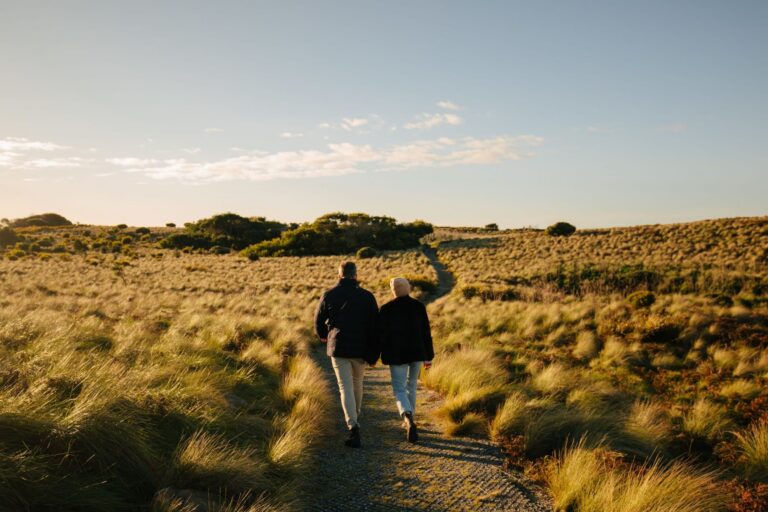
The history here starts a long way before 1826. Tasmanian Aboriginal people have lived on this coast for tens of thousands of years, and the culture is still alive.
Tiagarra on Mersey Bluff in Devonport Tasmania is an Aboriginal-owned museum and keeping place, focused on the Devonport region.
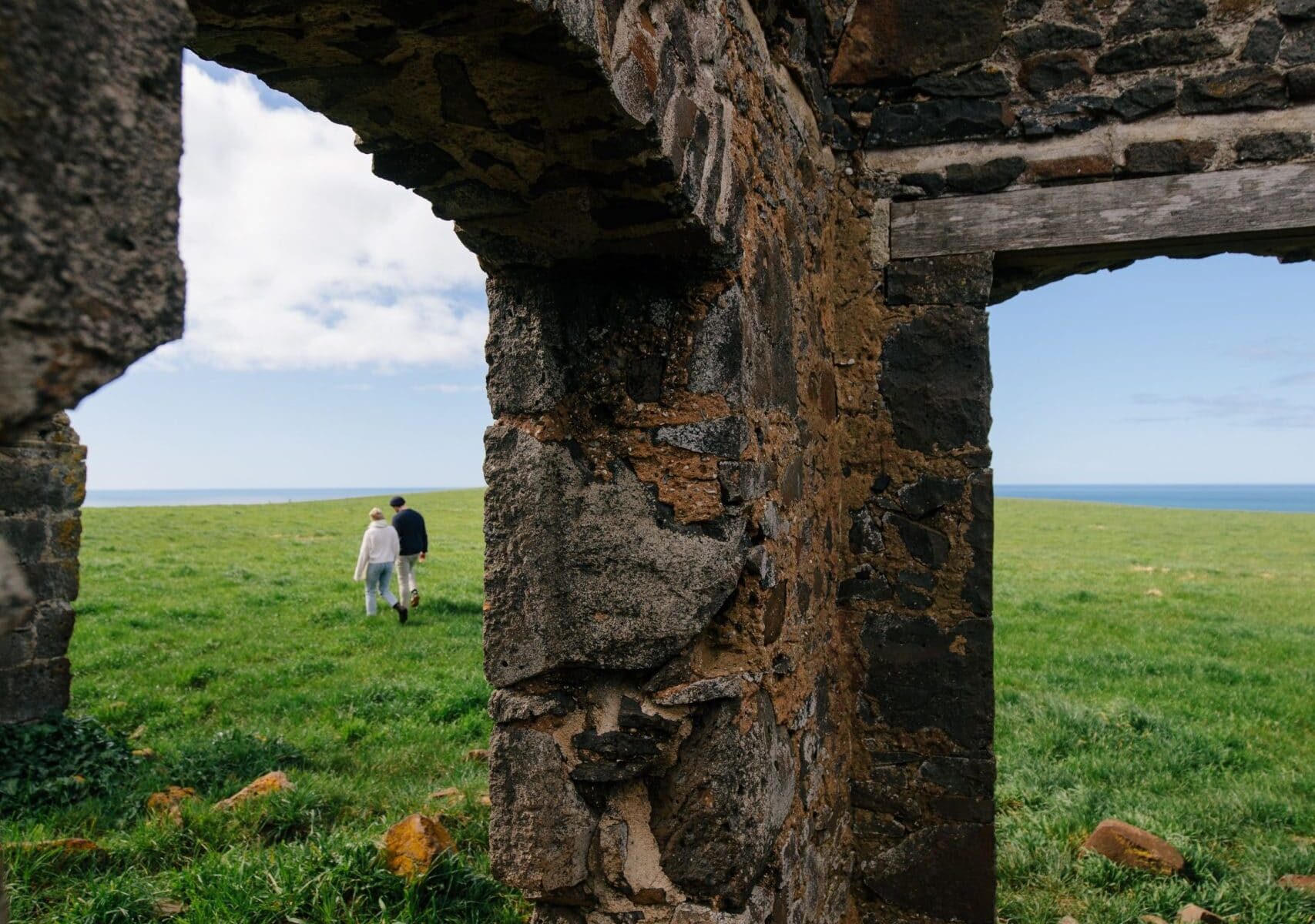
Further west, the takayna / Tarkine region is a cultural landscape, so stay on formed tracks. preminghana / Mount Cameron West is Aboriginal-owned land and isn’t a drop-in stop, so don’t turn up uninvited.
Highfield Historic Site and Woolnorth
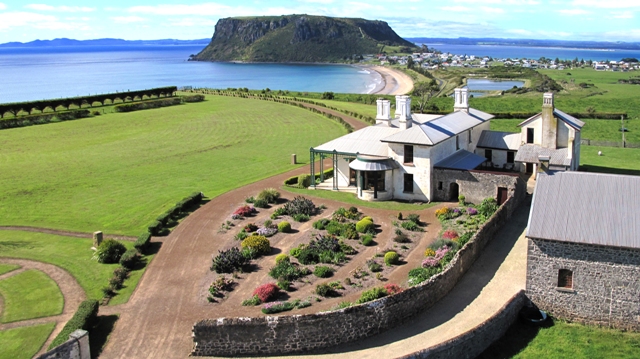
Highfield at Stanley was the headquarters of the Van Diemen’s Land Company, formed in Britain in 1824 to supply wool to British mills. The company took up a large grant of north west land and worked it with convicts and indentured servants. Highfield now shows a gentleman’s home and farm of the 1830s, set on a hillside above the town.
Woolnorth, at the far north west tip (temdudheker / Woolnorth Point), was one of the company’s farms. It was established in 1829 and is still a working dairy farm. It’s privately owned and closed to the public, so the only way in is a booked guided tour, which takes in kennaook / Cape Grim and the homestead precinct. Trespassing is taken seriously, so stay off the property if you haven’t booked.
The land the company took was Aboriginal hunting country, and that is an important part of the region’s story.
Early settlement and farm country
Sheffield Museum has everyday house and farm items back to the 1800s, plus the world’s first coin-operated petrol pump, which is the kind of fact you can’t un-know. Wilmot Heritage Museum covers timber, farming, dairying and butter making.
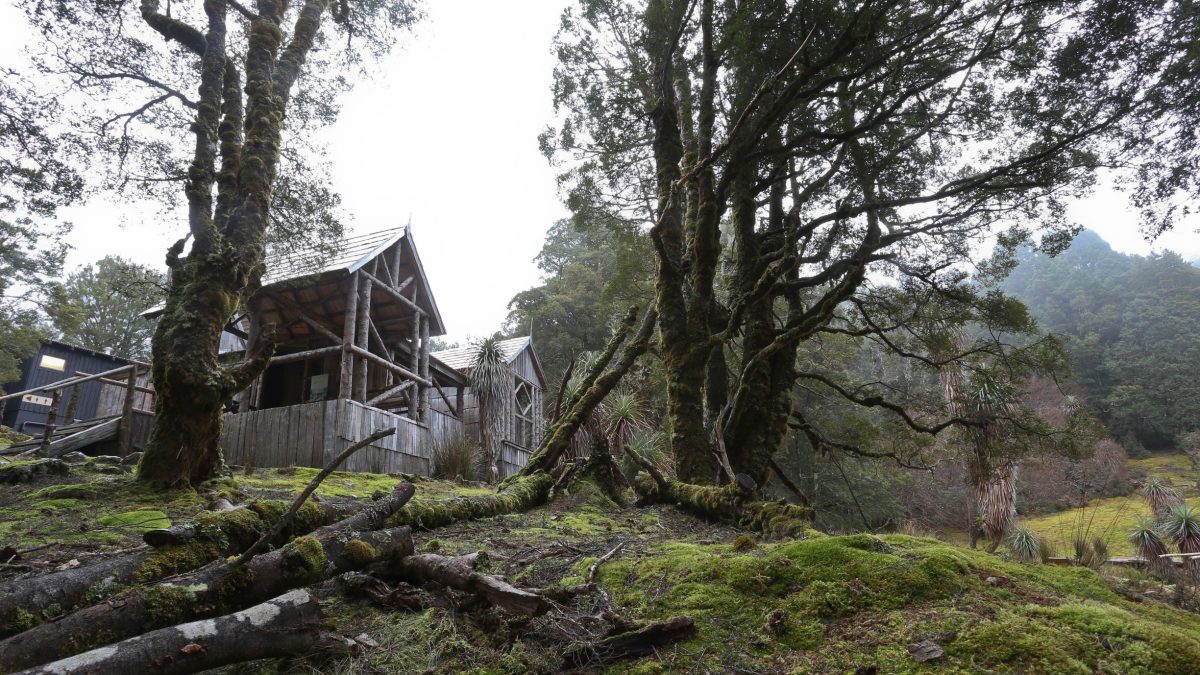
The Weindorfer collection in Sheffield links back to Waldheim Chalet, a 20 minute walk in Cradle Mountain-Lake St Clair National Park.
Mining country at Waratah
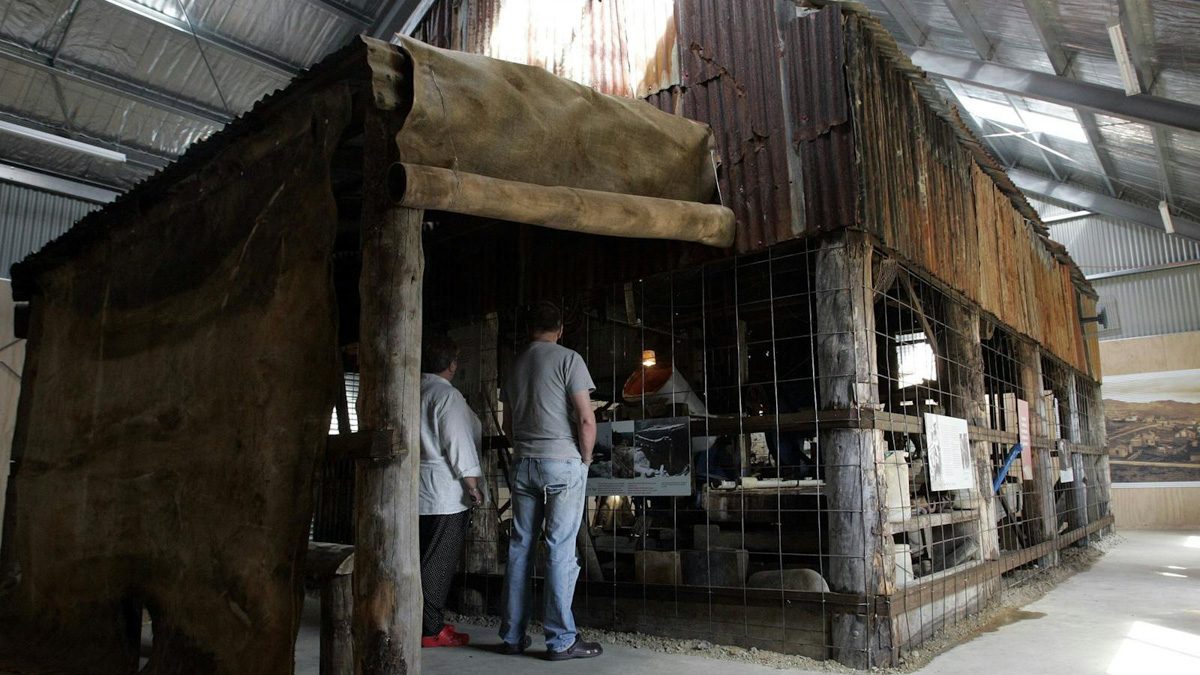
Waratah sits at the eastern gateway to takayna / Tarkine, about 40 minutes south of Burnie, and its mining past is a big part of Tasmania’s economic story. Kenworthy’s Stamper Mill, the Courthouse Museum and the 1886
Most of these stops work indoors. The Bass Strait Maritime Museum, Home Hill, Sheffield Museum, Wilmot Heritage Museum and the Waratah Courthouse Museum are all under cover. Check hours first, as small museums can close early.
The hall now houses the Tarkine Interpretation Centre, and it’s only open on weekends from January to March, so check before you go.

Towns, trains and people
Devonport Tasmania has the Bass Strait Maritime Museum on the waterfront, Home Hill (the home of Prime Minister Joseph Lyons and Dame Enid Lyons) and the Don River Railway, which runs vintage train rides along the Don River.
Latrobe is a ten minute drive from Devonport and has the Teddy Sheean Memorial and Sheean Walk.
Penguin has a heritage trail covering 26 sites, a free 90 minute audio walking tour, and a heritage-listed cemetery with sunrise views over Bass Strait.

Things to know before you go
Hours, respect and wet weather
Many of these places are small and volunteer run, so hours can be short and seasonal. Check before you drive out, especially in Waratah, where the Athenaeum Hall is open weekends from January to March only.
Memorials, cemeteries and Aboriginal sites are places to be quiet. Don’t climb on or move anything, and leave middens and engravings as you find them. If a site is on Aboriginal-owned land, ask first.
Most of these stops work in the rain, which in the North West is handy.
Historical sites & Heritage FAQs
What are the best historical sites in North West Tasmania?
The standouts are Highfield Historic Site at Stanley, the mining town of Waratah, Tiagarra and the Bass Strait Maritime Museum in Devonport Tasmania, and the Penguin Heritage Trail. For something quieter, try Sheffield Museum or Home Hill. Most stops are small and local, so pair two or three into a day rather than racing between them.
Where can I learn about Aboriginal history in North West Tasmania?
In Devonport Tasmania, Tiagarra on Mersey Bluff is an Aboriginal-owned museum and keeping place focused on the Devonport region. Further west, the Circular Head Heritage Centre in Smithton has local Indigenous cultural artefacts and information. The takayna / Tarkine coast around Arthur River is a cultural landscape in its own right, so stick to formed tracks and leave everything where you find it.
What is Tiagarra and can I visit?
Tiagarra is an Aboriginal-owned museum and keeping place on Mersey Bluff in Devonport Tasmania, run by Six Rivers Aboriginal Corporation. It opened in 1976 and is one of the oldest Aboriginal-operated museums in Australia. It focuses on the Aboriginal people and history of the Devonport region, and opening arrangements have changed over the years, so check tiagarra.com.au before you go.
What does takayna / Tarkine mean?
takayna is the palawa kani name for the Tarkine, a region of wet forest and wild coastline in the far north west. The English name Tarkine is understood to mean belonging to, or of, the tarkiner people. It’s a cultural landscape, with stone tools, old campfire sites and large shell middens along the coast.
Can I visit preminghana / Mount Cameron West?
preminghana is Aboriginal-owned land, managed by the Aboriginal community, and it isn’t a drop-in stop. Don’t turn up uninvited. If you’d like to learn more, the Circular Head Heritage Centre in Smithton is the closest place to start.
Can I visit Woolnorth and kennaook / Cape Grim?
Only on a booked guided tour. Woolnorth is privately owned and closed to the public, and trespassing is taken seriously. Woolnorth Tours runs a half day tour taking in the wind farm, kennaook / Cape Grim and the homestead precinct, leaving from the Bluff Point wind farm gate, about a 40 minute drive from Smithton. Check current departure days and book ahead.
What is Highfield Historic Site?
Highfield at Stanley was the headquarters of the Van Diemen’s Land Company, formed in 1824 to supply wool to British mills. It now shows a gentleman’s home and farm of the 1830s, set on a hillside above the town.
What heritage sites can I see near Devonport Tasmania?
Close to the ferry you have Tiagarra on Mersey Bluff, the Bass Strait Maritime Museum, Home Hill (the home of Prime Minister Joseph Lyons and Dame Enid Lyons) and the Don River Railway. Latrobe, a ten minute drive away, has the Teddy Sheean Memorial and Sheean Walk.
What is there to see in Waratah?
Waratah is a mining town at the eastern gateway to takayna / Tarkine, about 40 minutes south of Burnie. Kenworthy’s Stamper Mill (an old ore-crushing mill), the Courthouse Museum and the 1886 Athenaeum Hall cover its mining past. The hall houses the Tarkine Interpretation Centre, which is open weekends from January to March only.
Are the museums open year round?
Not always. Many are small and volunteer run, with limited or seasonal hours. The Tarkine Interpretation Centre in Waratah, for example, is open weekends from January to March only. Check each venue’s hours before you drive out, especially in winter.
Are the sites suitable for kids and limited mobility?
Most museum and town stops are short and easy going for kids. Access varies by site, and older buildings like Highfield and the Athenaeum Hall may have steps or uneven ground, so check with the venue first if mobility is a concern. Waldheim Chalet is a 20 minute, Grade 1 walk.
Can I do a heritage drive in one day?
Yes, if you pick a section. A day around Devonport Tasmania can take in Tiagarra, the Bass Strait Maritime Museum, Home Hill and Latrobe. Waratah is a half day on its own, and Stanley, Smithton and Woolnorth suit a day further west. Trying to see everything in one go means a lot of driving.
What can I do on a rainy day?
Most of these stops work indoors. The Bass Strait Maritime Museum, Home Hill, Sheffield Museum, Wilmot Heritage Museum and the Waratah Courthouse Museum are all under cover. Check hours first, as small museums can close early.