
North West Tasmania North West Tasmania
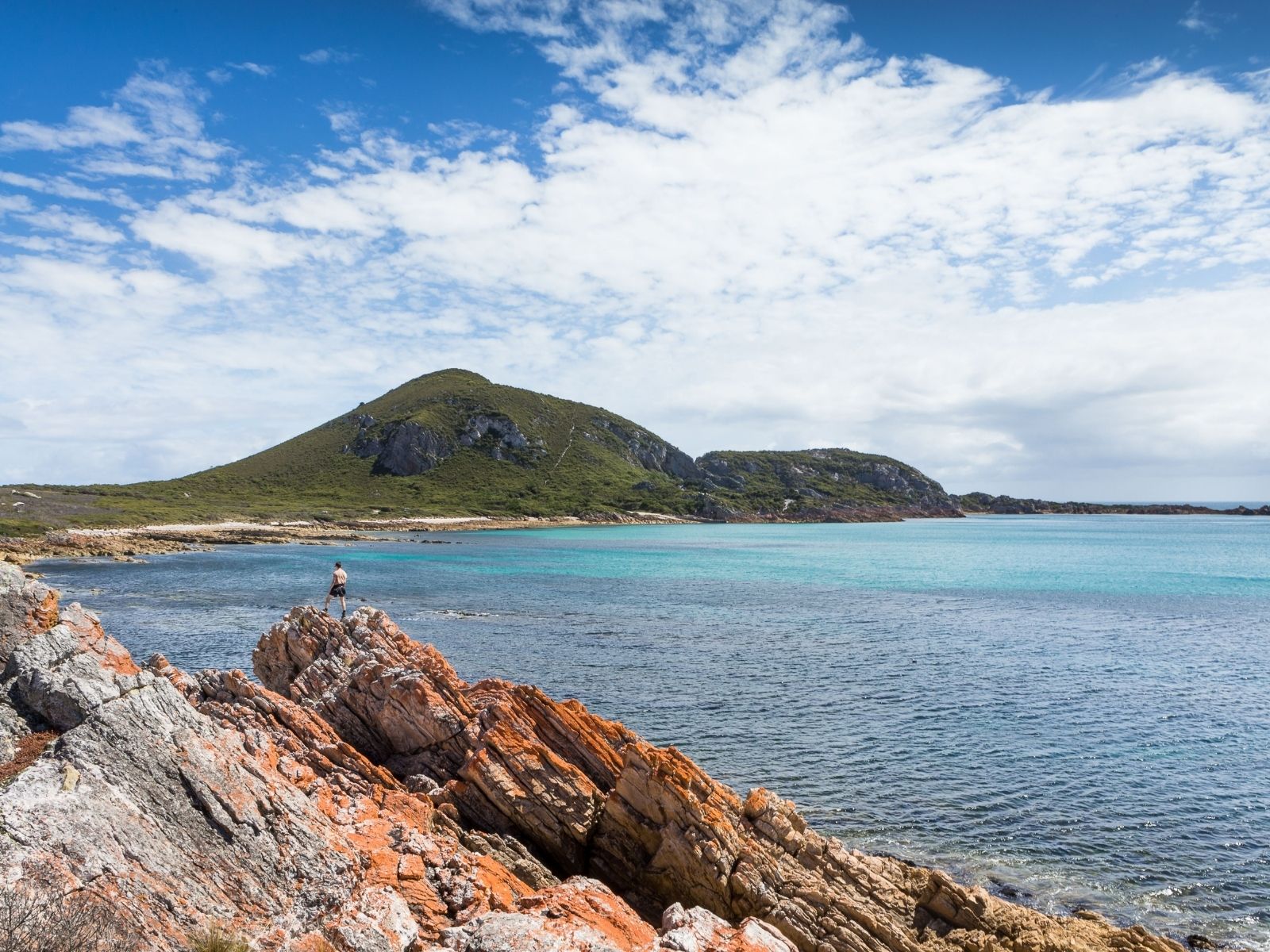
Rocky coastline and clear blue water near North Cave in pinmatik/Rocky Cape National Park

Things to do

National Parks & Reserves

Parks, reserves and gardens

Three national parks, plenty of reserves and a few good gardens.

Cradle Mountain 90 mins from DevonportReserves are mostly free to enter

North West Tasmania’s national parks and reserves take in Cradle Mountain inland, and Rocky Cape and Narawntapu on the coast. Then there’s takayna / Tarkine, over west. It isn’t a declared national park, but it is Australia’s largest temperate rainforest and sits happily alongside the ones that are. Reception can sometimes be hit and miss, so download your maps before you set out.

Visitor standing beneath Trowutta Arch beside a green sinkhole in North West Tasmania

Which location suits you

Choose by how long you’ve got and how much walking you’re in the mood for.

  • An hour or so — Dip Falls and the Big Tree at Mawbanna, both on short walks. Or Guide Falls near Burnie, a ten minute stroll from the car park.
  • Half a day — Rocky Cape National Park for caves, headlands and Bass Strait views. Or Narawntapu National Park, where the wallabies and pademelons graze the flats and the Bird Hide Walk takes 30 minutes.
  • A full day — Cradle Mountain, with the Dove Lake circuit for the classic view or the Enchanted Walk if you'd like it gentler. Or the coast run instead, Rocky Cape then Dip Falls, with lunch at Boat Harbour or Stanley.
  • Longer than a day — takayna / Tarkine, over west and out past Smithton. Trowutta Arch and Julius River Falls are both short walks through rainforest, so most of the time goes on the driving. Some turn-offs are unsealed.
All things to do

National parks

National parks in the North West

Reserves are generally free to enter. takayna / Tarkine is a mix, so check the Parks and Wildlife Service Tasmania site for where you're headed.

National Parks and Reserves Natural Attractions

Rocky Cape National Park

​Striking rock formations, an incredible variety of flowering plants and important Aboriginal heritage all make this park worth exploring. Gnarly rocks contrast with the blue ocean and waves…

National Parks and Reserves Natural Attractions

Cradle Mountain - Lake St Clair National Park (Cradle Mountain)

​​Cradle Mountain is a place of exceptional natural beauty in the heart of the Tasmanian Wilderness World Heritage Area. From moss-covered rainforests and deep river gorges to snow-covered…

National Parks and Reserves Natural Attractions

Narawntapu National Park

Wide open plains that are abundant in wildlife create a wonderful location to meet some of Tasmania’s friendliest locals. Narawntapu National Park is a great place to get…

Reserves and lookouts

Reserves and natural places

Reserves are generally free to enter. takayna / Tarkine is a mix, so check the Parks and Wildlife Service Tasmania site for where you're headed.

National Parks and Reserves Natural Attractions

Fern Glade Reserve

Fern Glade Reserve is just under 4 km from the city centre. It offers long walks along the banks of the Emu River and the chance to see…

National Parks and Reserves Natural Attractions

The Tarkine/takayna Wilderness

This area of temperate rainforest is home to mountain ranges, wild rivers, button grass and a rugged coastline. There’s a rich variety of animals in the Tarkine including…

National Parks and Reserves Natural Attractions

The Nut

The historic village of Stanley, in far north-west Tasmania, is nestled at the base of the Nut, a sheer-sided bluff - all that remains of an ancient volcanic…

Natural Attractions

Lillico Beach

Lillico Beach is a coastal reserve and penguin colony near Devonport in north-west Tasmania. Just ten minutes west of Devonport, this narrow coastal strip is home to a…

View all Things to Do

Parks and gardens

Parks and gardens

Tree parks, gardens and bushland close to town, and easy to fit in around other stops.

Natural Attractions Parks and Gardens

The Tasmanian Arboretum

The Tasmanian Arboretum is a 66-hectare botanical tree park and nature reserve in Tasmania’s North West. A great place to enjoy the trees of the temperate world, wildlife,…

Parks and Gardens

Emu Valley Rhododendron Garden

Emu Valley Rhododendron Garden is a remarkable private garden with a 40+ year history, built and operated by volunteers in the northwest of Tasmania. The 11-hectare property is…

BBQ Facilities Playground Public Toilet +1

Hiscutt Park, Penguin

Hiscutt Park also known as the Windmill Park is located in the seaside town of Penguin. It is the situated behind the Main Road of Penguin. With a…

View all Things to Do
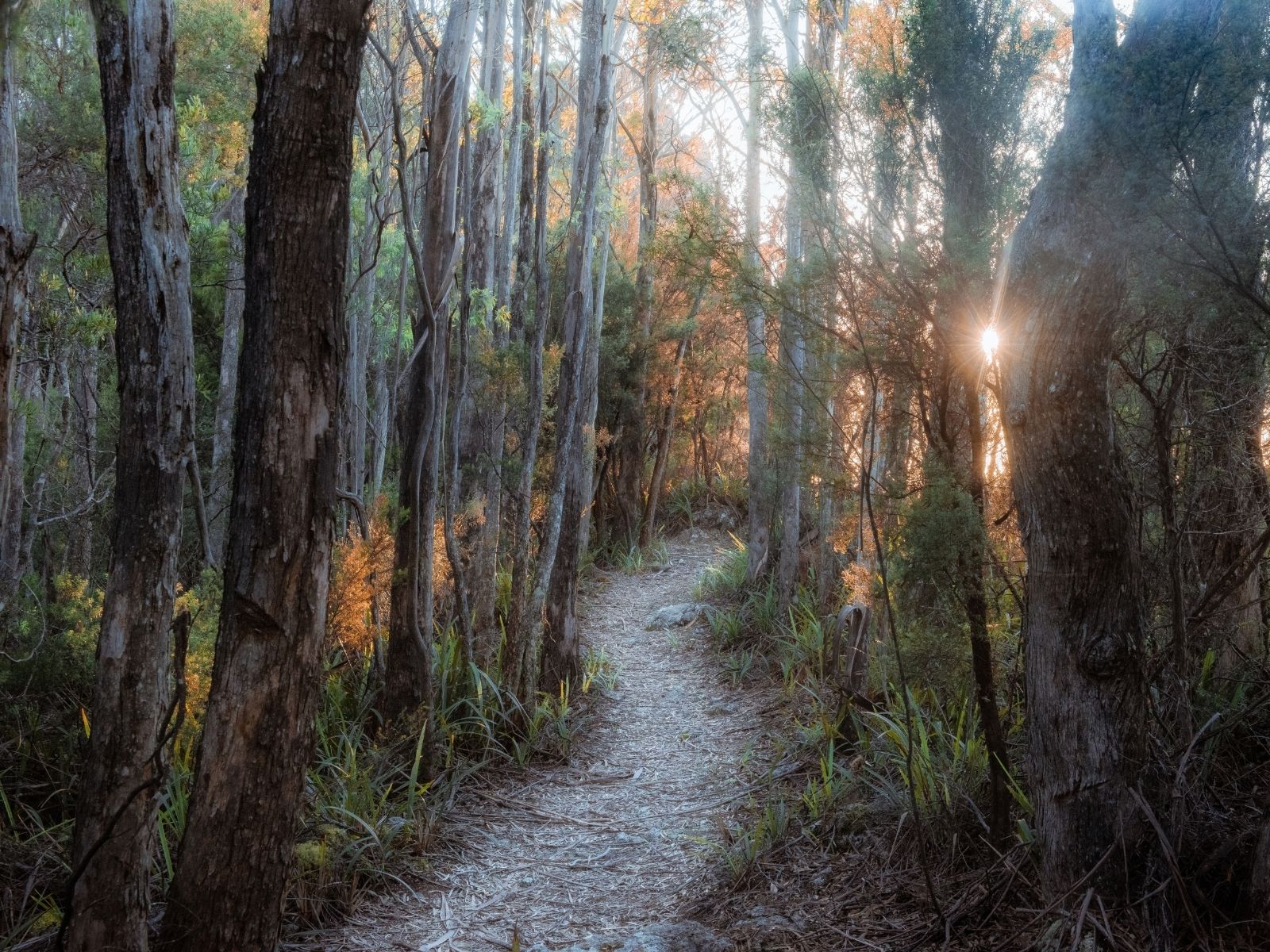
Sunlight filtering through native forest along the Mount Montgomery walking track in the Dial Range

A few things to know first

Parks passes, track conditions and what to pack, so the day goes to plan.

Conditions apply

Conditions apply

The weather here changes its mind without notice, so pack for every eventuality, even when the forecast looks friendly.

Mobile coverage drops out in plenty of places, so download your map before you leave town.

Tell someone your plan, stay on the track and give the wildlife room. As cute as they are, wombats and devils are not here for your photos.

Reserves in the North West are generally free to enter, however national parks like Rocky Cape and Cradle Mountain need a parks pass. Cradle Mountain works a little differently, with its own pass option and a shuttle from the visitor centre. Some things carry separate fees, like camping, guided cave tours and off-road driving. Before you set out, check the Parks and Wildlife Service Tasmania website for current passes, fees and alerts.

Frequently asked questions

Do I need a Parks Pass in North West Tasmania?

Reserves are generally free to enter, however national parks like Rocky Cape and Cradle Mountain need a parks pass. Cradle Mountain has its own pass option and a shuttle service. Some things carry separate fees, such as camping, guided cave tours and the Recreational Driver Pass for off-road tracks in the Arthur-Pieman Conservation Area. Before you set out, check the Parks and Wildlife Service Tasmania website for current requirements.

Which national park is best for a short visit?

Rocky Cape National Park. The South Cave, North Cave and lighthouse walks are 10 to 20 minutes return, and the Banksia Grove and Caves circuit from Sisters Beach takes about an hour. Cradle Mountain is better saved for a full day.

Can I visit the parks as a day trip from Devonport or Burnie?

Cradle Mountain is about a 1.5-hour drive (approx. 80 km) from Devonport via Sheffield. Because of the winding roads and the need to use the visitor centre shuttle bus system inside the park, it easily takes a full-day trip.

From Burnie, Rocky Cape National Park is roughly 40 minutes west along the Bass Highway (about 50 km), and Dip Falls is around an hour to an hour and 20 minutes away (75 to 90 km). Both are on the same run west, so you can fit them into one day, with lunch in Wynyard, Boat Harbour or Stanley along the way.

Can I fit a national park in after getting off the Spirit of Tasmania?

Yes. Cradle Mountain is about 1.5 hours from the Devonport terminal, so an early start gets you there for the morning walks. Rocky Cape suits a gentler first day. Parks passes can be bought onboard the Spirit of Tasmania and online.

Are there short walks for people who don't want a big hike?

Plenty. At Rocky Cape, the North Cave and lighthouse walk is 10 to 20 minutes return. In takayna / Tarkine, Trowutta Arch is about 20 minutes from the road, and the Julius River circuits take 30 to 40 minutes. Dip Falls has four short walks, including one to the Big Tree.

Is there mobile coverage in the parks?

Coverage is patchy in many parts of the parks and reserves, and it can drop out completely on longer walks and remote roads. Download your maps before you leave town and tell someone your plan.

What should I pack for a day walk?

Layers, a waterproof jacket, sturdy shoes, water and food. The weather can change fast, even in summer, so pack for cold and wet whatever the forecast says.

Is the wildlife dangerous?

Mostly it’s the other way round. Keep your distance, don’t feed anything and watch where you step on warm days. All three of Tasmania’s snake species are venomous, and they’d rather be left alone. Wombats, wallabies and devils are most active around dusk and at night, so drive slowly on country roads.

What's the best time of year to visit the parks?

Summer gives you the best odds of clear weather, though Cradle Mountain can see rain or snow at any time of year. Waterfalls like Dip Falls look best after rain, so a wet week isn’t a write-off.

Can I bring my dog?

Generally no. Dogs aren’t allowed in Tasmania’s national parks or most reserves, with an exception for assistance dogs. A few reserves and campgrounds do allow them. Check the Parks and Wildlife Service Tasmania dogs in parks page before you go.

Are the roads to the parks sealed?

The main roads are, but some turn-offs aren’t. The road to Trowutta Arch has gravel sections and the final 2-3 kilometres of the Dip Falls road is also unsealed. The Western Explorer is a rough route and not suited to large vehicles or caravans. If you’re in a hire car, check what your agreement says about unsealed roads.