Tall Timbers Adventure Tours
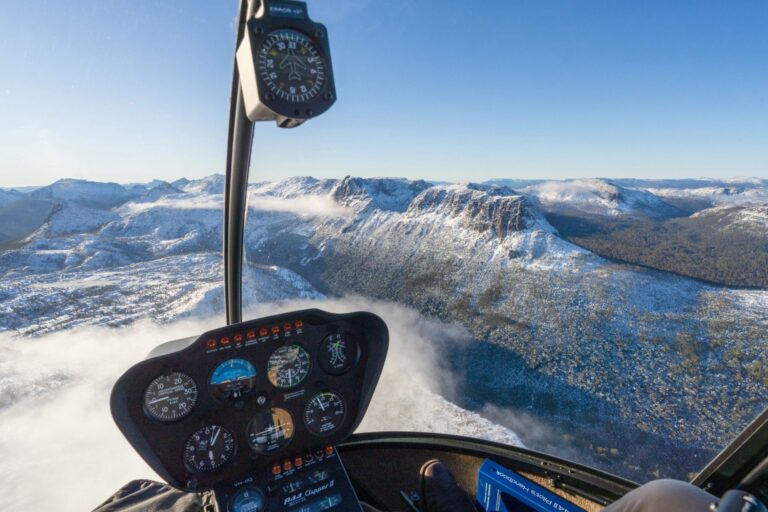
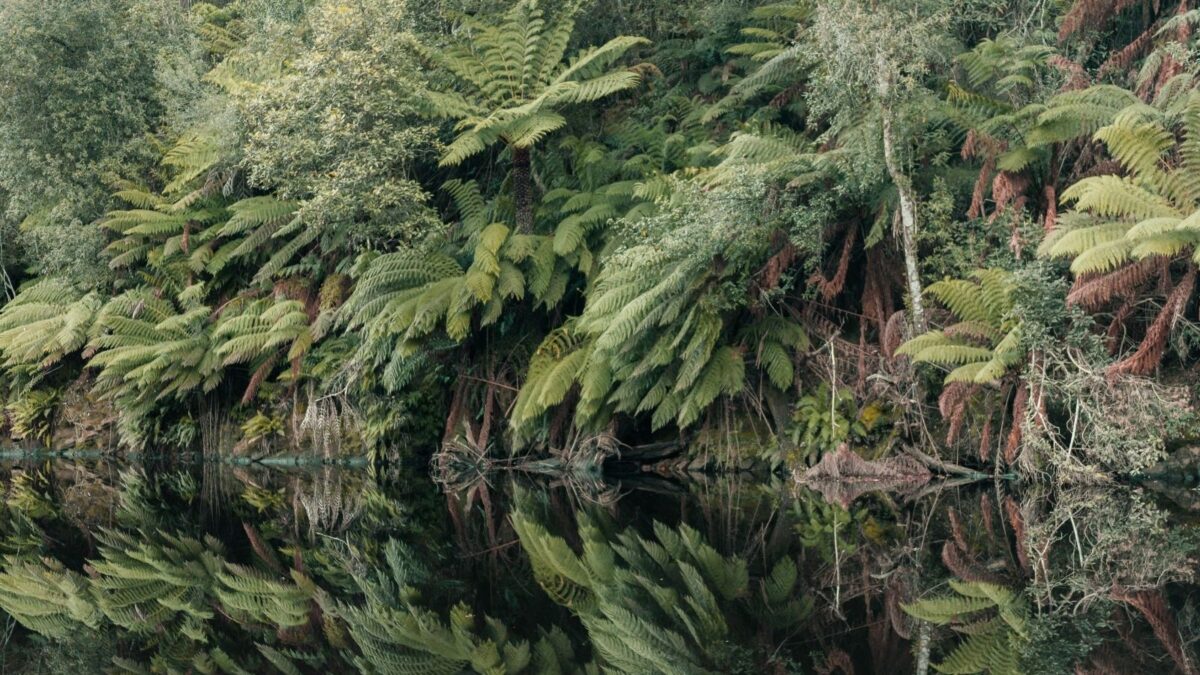
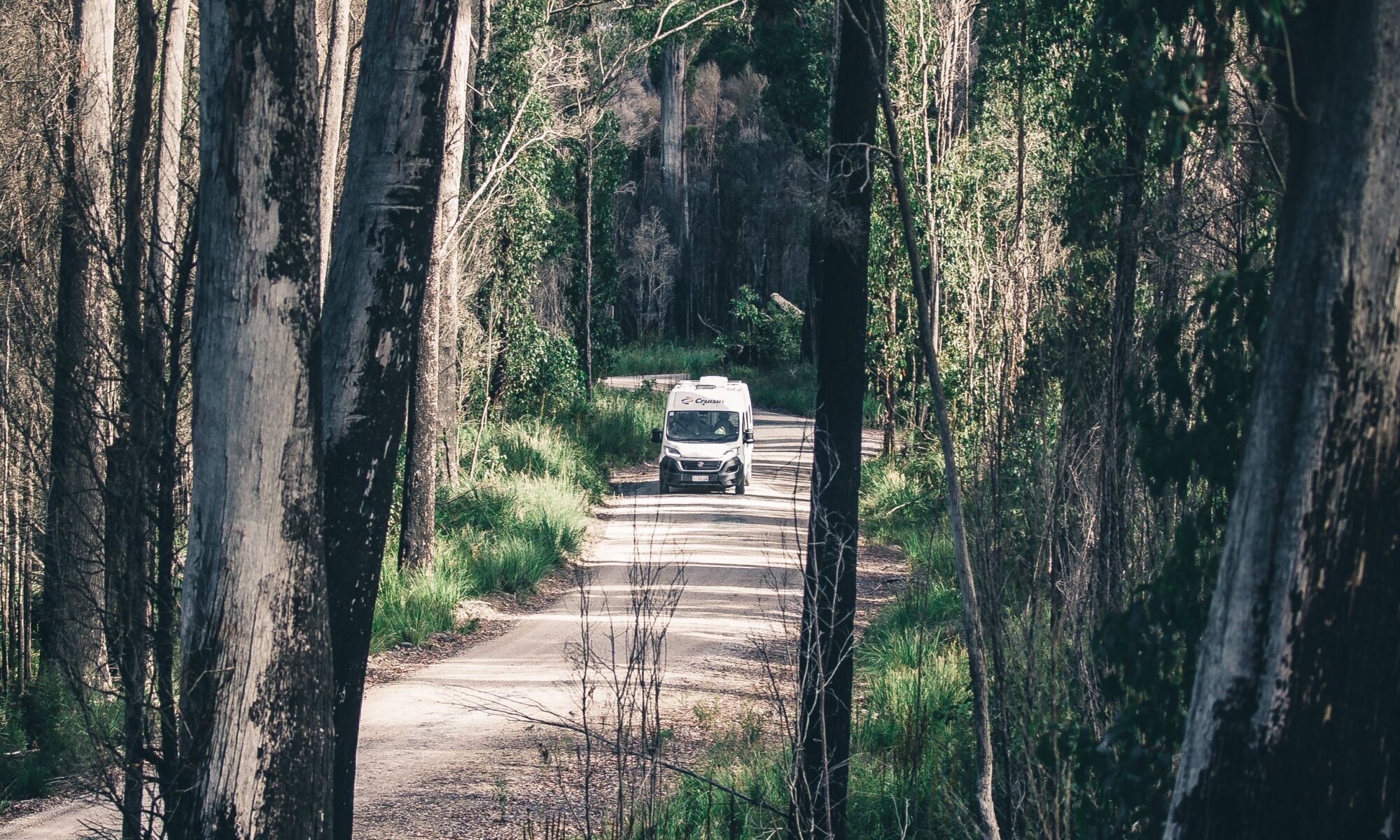
Tall Timbers Adventure Tours offers a unique attraction for visitors to Tasmania’s North West. Experience Australia’s largest cool-climate rainforest, the Tarkine wilderness, led by the region’s most experienced…
Where to see wildlife in the North West
Wildlife in Tasmania is hard to miss, and the North West packs a lot of it into a drive. Wallabies on the side of the road, pademelons on lawns and penguins waddling ashore at dusk are all familiar sights. Some animals are easy to spot, while others take a bit of patience and some lucky timing. Here’s what you can see, where to look and how to leave the animals undisturbed.

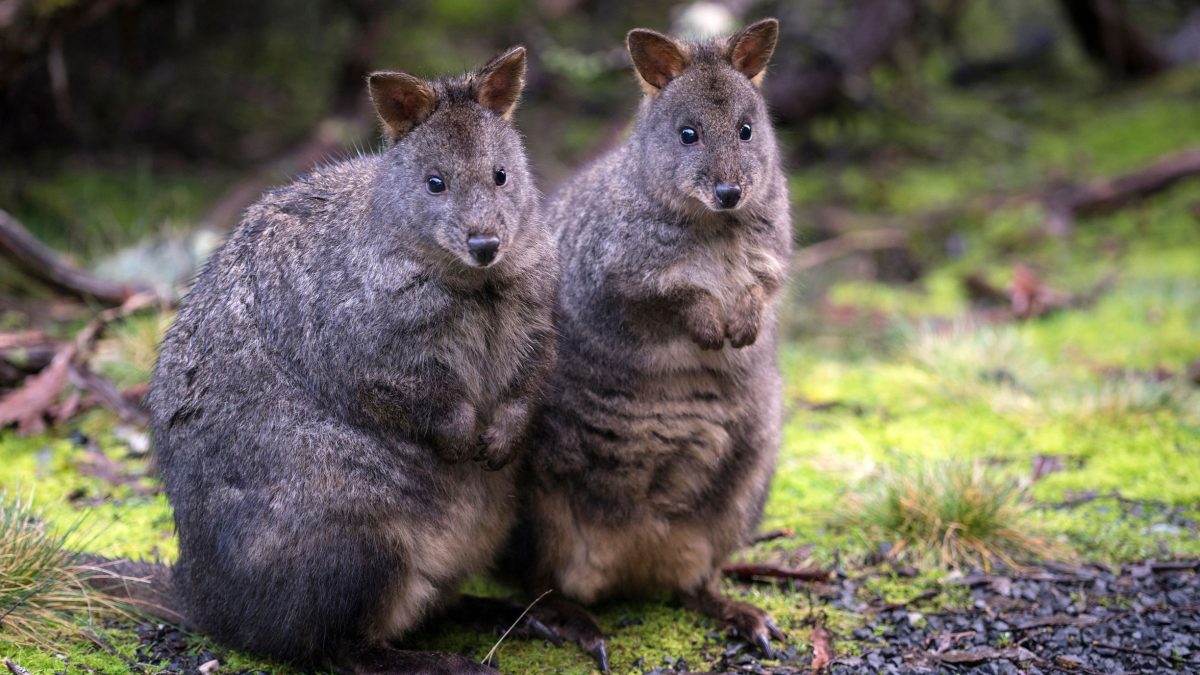
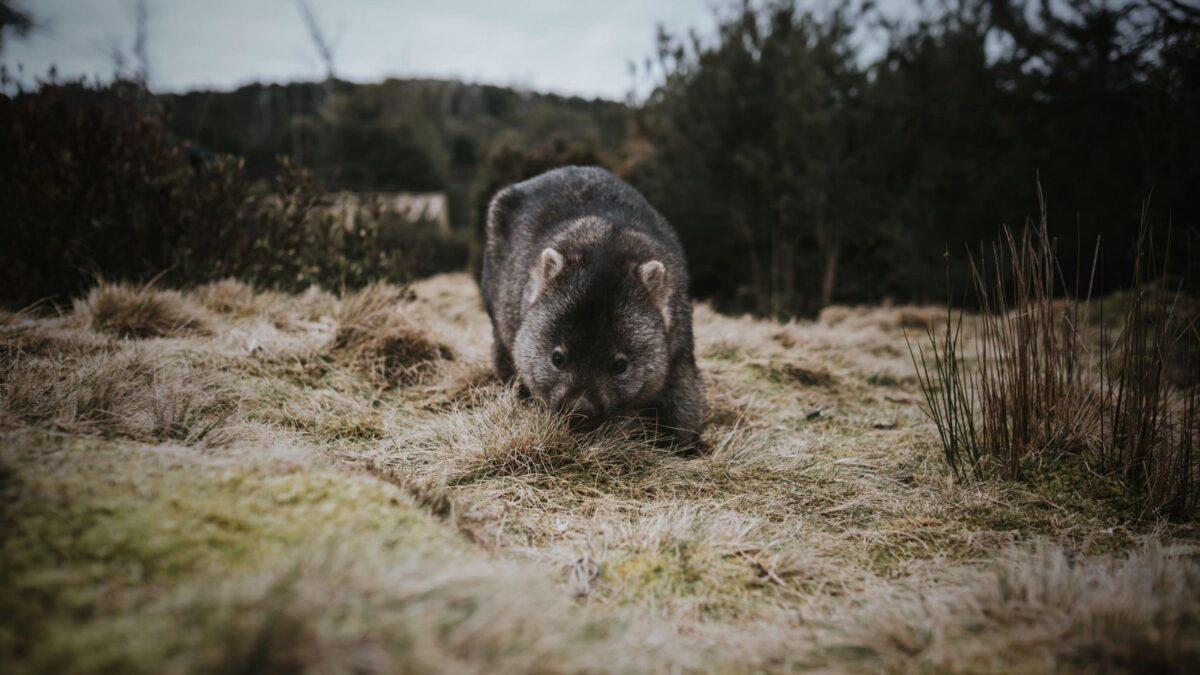
These are the easy ones to spot. Wallabies and pademelons turn up across the whole region, in paddocks, car parks and on road verges, mostly in the early morning and evening. Wombats are the Cradle Mountain regulars, grazing the grassy flats near Ronny Creek. Echidnas are a bonus on bush walks, if you keep an eye on the ground.

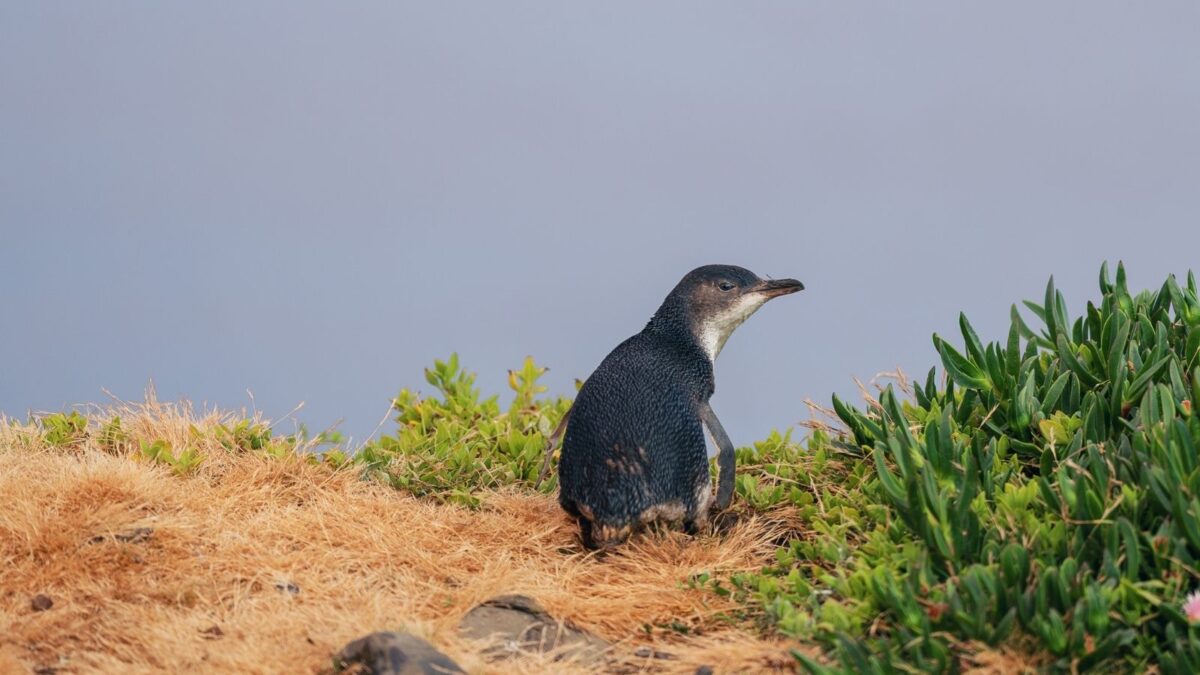
Little penguins come ashore at dusk across Tasmania during the breeding season, roughly September to March, and the North West has well-set-up viewing spots at Burnie and Stanley. Burnie is the easiest. Friends of Burnie Penguins volunteers run free guided viewing at the Penguin Observation Centre at Parsonage Point, nightly from 1 October to 31 March. In Stanley, there’s a raised platform at the eastern end of Godfreys Beach with red lights built in, so you don’t need a torch. The town of Penguin has a nearby colony too, but no formal viewing platform, so you may spot a few along the shoreline.
In midsummer dusk is well after 9pm, so plan a late dinner. Dress for the wind, keep your distance and leave the flash off.


Platypus in Tasmania are shy and most active at dawn and dusk, so you’ll need to pack your patience. Fern Glade Reserve at Burnie is known as one of the most reliable spots in the state. Warrawee Forest Reserve on the Mersey River at Latrobe is another, and the Tasmanian Arboretum is about 12 kilometres south of Devonport Tasmania, a short drive from the ferry terminal. In Stanley, a twilight tour takes the guesswork out of it, just stand still, keep your voice down and watch for ripples. A platypus usually surfaces briefly and dives again within a minute or two, so give it time. Tasmanian platypus are also noticeably bigger than their mainland cousins.

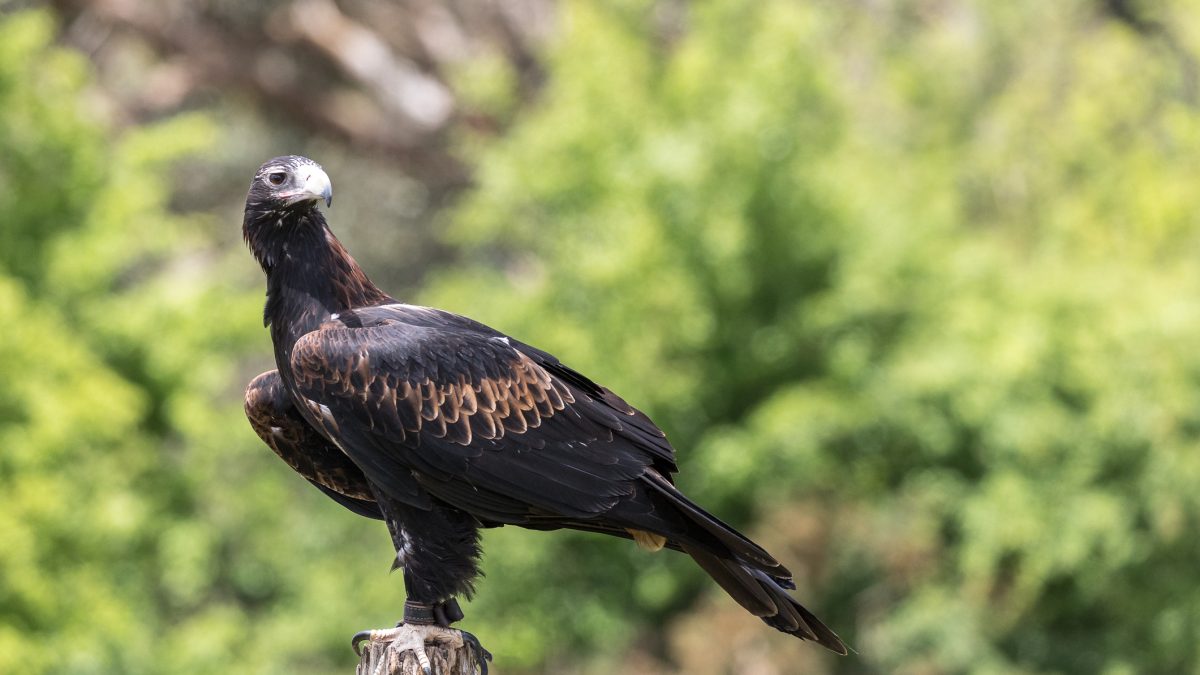
The Tasmanian wedge-tailed eagle is the state’s largest bird of prey, with a wingspan of around two metres, and it is endangered. Look up when you’re driving through open farmland and along ridgelines, where they ride the warm air. They nest high in tall trees and will abandon a nest if disturbed, so keep well back if you spot one. They also feed on roadside carrion, which is one more reason to ease off the accelerator on rural roads.
On the ground, listen for yellow-tailed black cockatoos in bushland. You’ll usually hear them before you see them.

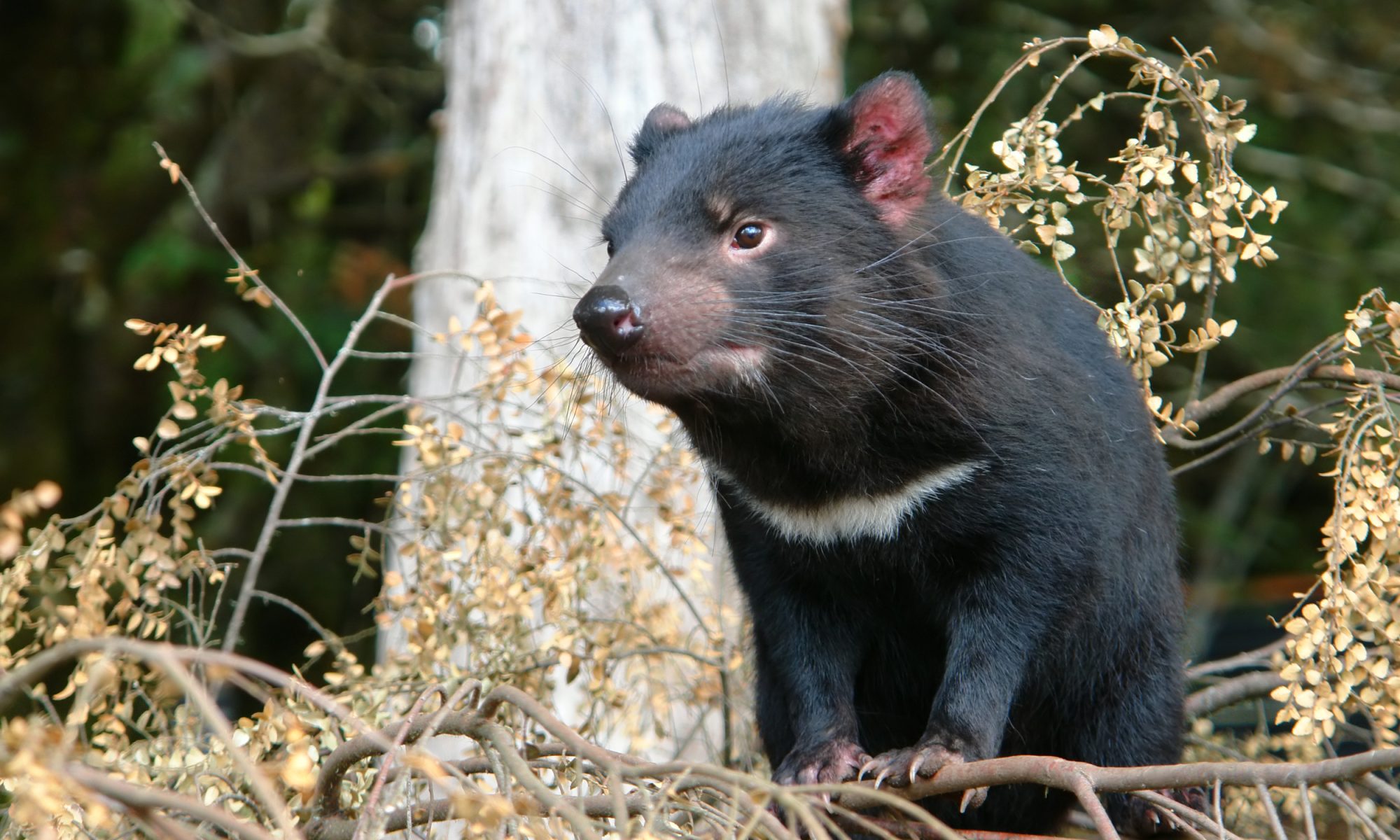
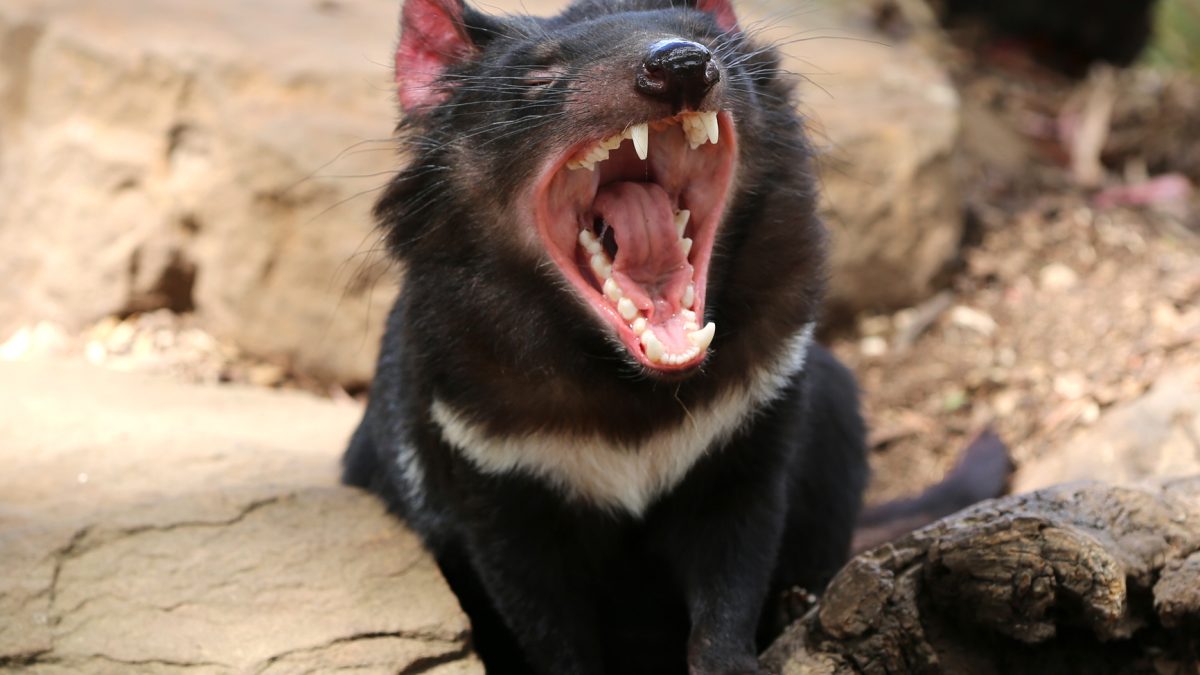
Wild devils are mostly nocturnal and rarely seen, so a wildlife sanctuary is the reliable way to meet one. Devils@Cradle runs day and night tours at the edge of Cradle Mountain National Park. Wings Wildlife Park at Gunns Plains is under an hour from the Spirit of Tasmania terminal in Devonport Tasmania, and many of its animals are rescues.

Wildlife isn’t only the thing that moves. Autumn is the time for fungi in the wet forests of takayna / Tarkine, with Philosopher Falls near Waratah a favourite among mycologists. Julius River Forest Reserve on the takayna / Tarkine Drive and Trowutta Arch are other good places to look. Hellyer Gorge is an easy stop on the Murchison Highway, with myrtle beech rainforest covered in moss, fungi and orchids that grow on the trees.
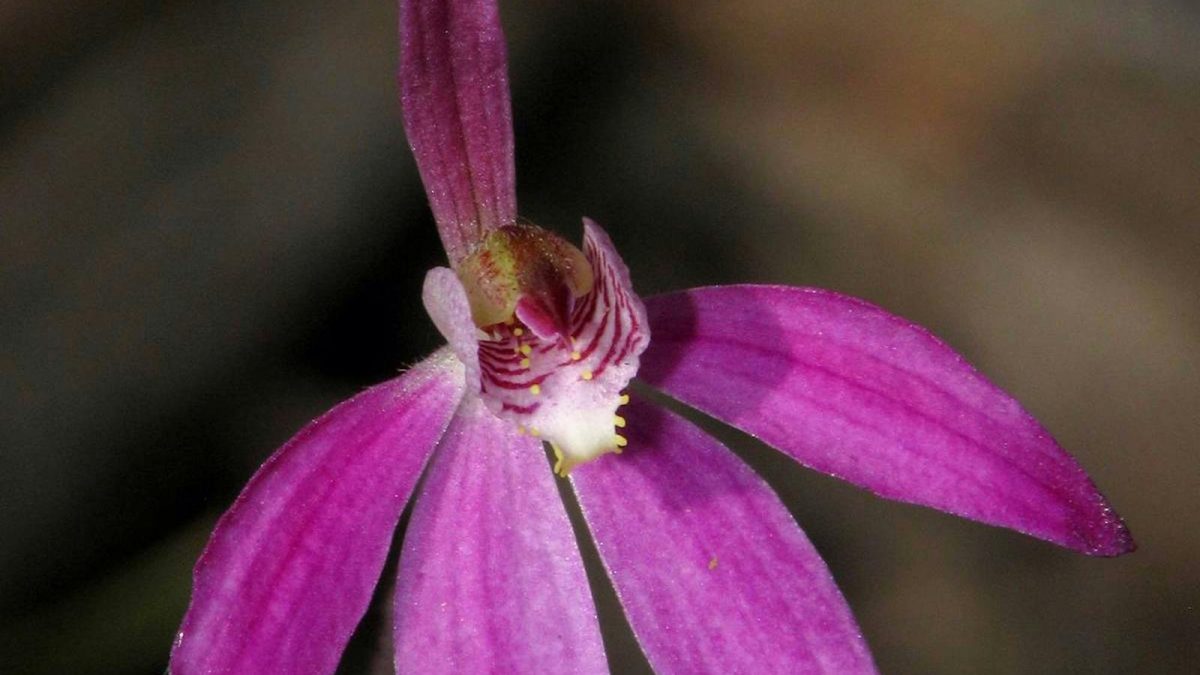
Wildflowers are a coastal job. Rocky Cape National Park on the far North West coast has hills full of them, along with birds and walks from under 20 minutes to a full day. Remember, take photos, not souveniers.
More to see
Tall Timbers Adventure Tours offers a unique attraction for visitors to Tasmania’s North West. Experience Australia’s largest cool-climate rainforest, the Tarkine wilderness, led by the region’s most experienced…
The Devils@Cradle Tasmanian devil sanctuary is a breeding and conservation facility for three of Tasmania’s unique threatened carnivorous marsupials; the Tasmanian devil, the Spotted-tail quoll, and Eastern quoll.…
Wings Wildlife Park is a multi-award winning family owned business and displays the largest collection of Tasmanian wildlife in Australia. Located less than a one-hour drive from the…

Driving, dusk and giving animals space
Most Tasmanian wildlife is active from dusk to dawn, and that includes the road. Slow down after dark, especially on rural roads, and expect a wallaby or a wombat to jump out without warning. If you hit an animal or find one injured, pull over somewhere safe and call local wildlife rescue.
At viewing sites, stay on the boardwalks and platforms, which protect nesting burrows. Don’t feed anything, keep your distance and avoid using your camera flash. Wombats and wallabies look relaxed, but they’re still wild animals.

North West Tasmania is about the drive, so it helps to group your sightings by town. Heading west from the ferry, look out for these wildlife stops.
Wallabies and pademelons turn up across the whole region, usually around dawn and dusk. Little penguins come ashore at Burnie and Stanley, platypus live in rivers near Burnie, Latrobe and Devonport Tasmania, and wombats graze at Cradle Mountain. For Tasmanian devils, head to Devils@Cradle or Wings Wildlife Park.
Wild devils are mostly nocturnal and rarely seen, so a wildlife sanctuary is the reliable way to meet one. Devils@Cradle runs day and night tours at the edge of Cradle Mountain National Park. Wings Wildlife Park at Gunns Plains is under an hour from the Spirit of Tasmania terminal in Devonport Tasmania.
Little penguins come ashore at dusk during the breeding season, roughly September to March. Burnie runs free guided viewing at Parsonage Point nightly from 1 October to 31 March, and Stanley has a viewing platform at Godfreys Beach. In midsummer dusk is well after 9pm, so plan a late dinner.
Try Fern Glade Reserve at Burnie, Warrawee Forest Reserve at Latrobe or the Tasmanian Arboretum, about 12 kilometres south of Devonport Tasmania. Platypus are most active at dawn and dusk, so stand still, keep your voice down and watch for ripples.
Cradle Mountain is the best bet. Wombats graze the grassy flats near Ronny Creek, mostly in the early morning and evening. Wings Wildlife Park also has wombats if you’d rather not leave it to chance.
Wildlife is out year-round, and dawn and dusk are the best times of day. Penguins are on the beach from September to March. Autumn brings the fagus turning at Cradle Mountain and fungi in takayna / Tarkine, and spring brings wildflowers to Rocky Cape National Park.
Most of it is harmless if you keep your distance, but all of it is wild. Tasmania has three snake species and all are venomous, so give any snake plenty of room and call 000 if someone is bitten. Don’t feed, touch or crowd animals, including wombats and wallabies that look relaxed.
Pull over somewhere safe, then call local wildlife rescue. Most Tasmanian wildlife is active from dusk to dawn, so slow down after dark, especially on rural roads.