

Nature & Wilderness
Where to See Penguins in North West Tasmania
9 July 2025 Sarah
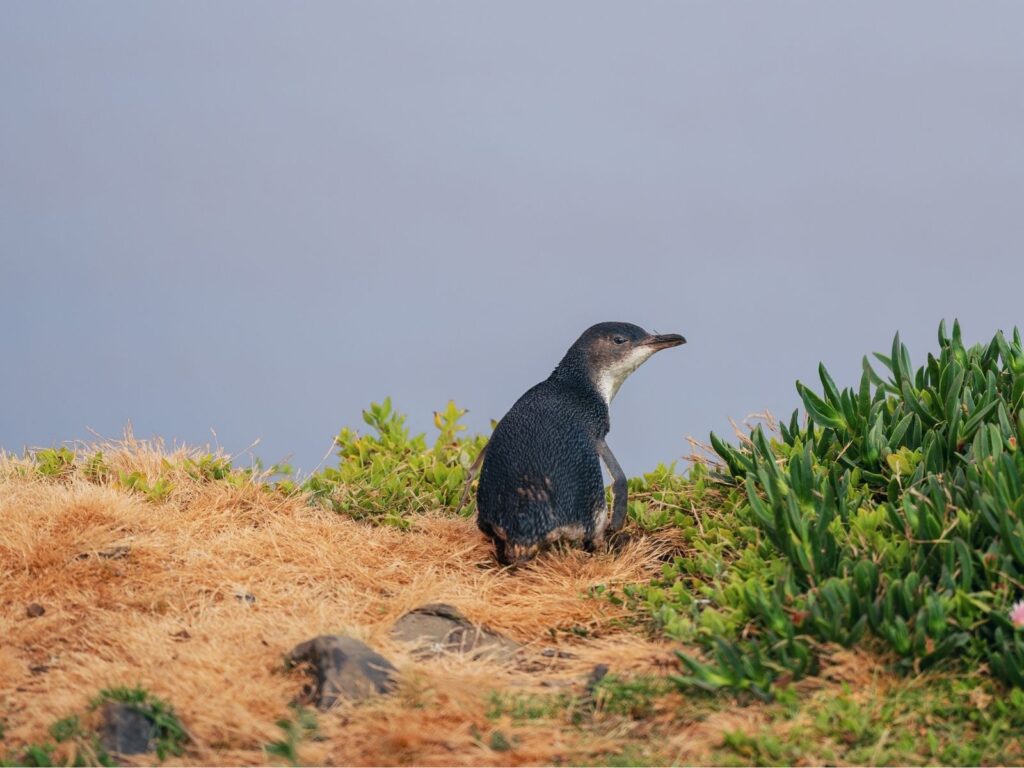
Looking for a free, front row seat to an unforgettable Tassie wildlife experience? Then penguin spotting on the North West Coast is a must-do. From Devonport to Stanley, this stretch of coastline is home to Australia’s smallest (and possibly cutest) seabird…the Little Penguin (also known as the Fairy Penguin).
These tuxedoed locals waddle ashore most nights at dusk, especially during breeding season, and the North West has some top-notch spots to quietly watch the show.
Here’s your guide on where, when and how to see penguins on the North West Coast of Tasmania.
Best Time of Year to See Penguins
You can spot Little Penguins all year, but the best time to see them is during breeding season from September to March. That’s when they’re most active, coming ashore just after sunset to swap babysitting duties, feed chicks, and catch up with their mate (who they’ve likely been with for years, they’re monogamous little legends).
Tip: Arrive at your viewing spot before dusk. Penguins prefer to come ashore under cover of fading light to avoid predators.
What to Bring (and how to behave)
Penguins may look like nature’s comedians, but they’re sensitive, wild animals who need space. If you’re heading out penguin-watching, bring:
- Warm clothes - Beanie, gloves, and a windproof jacket
- Red-light torch (if needed - white light is a big no-no)
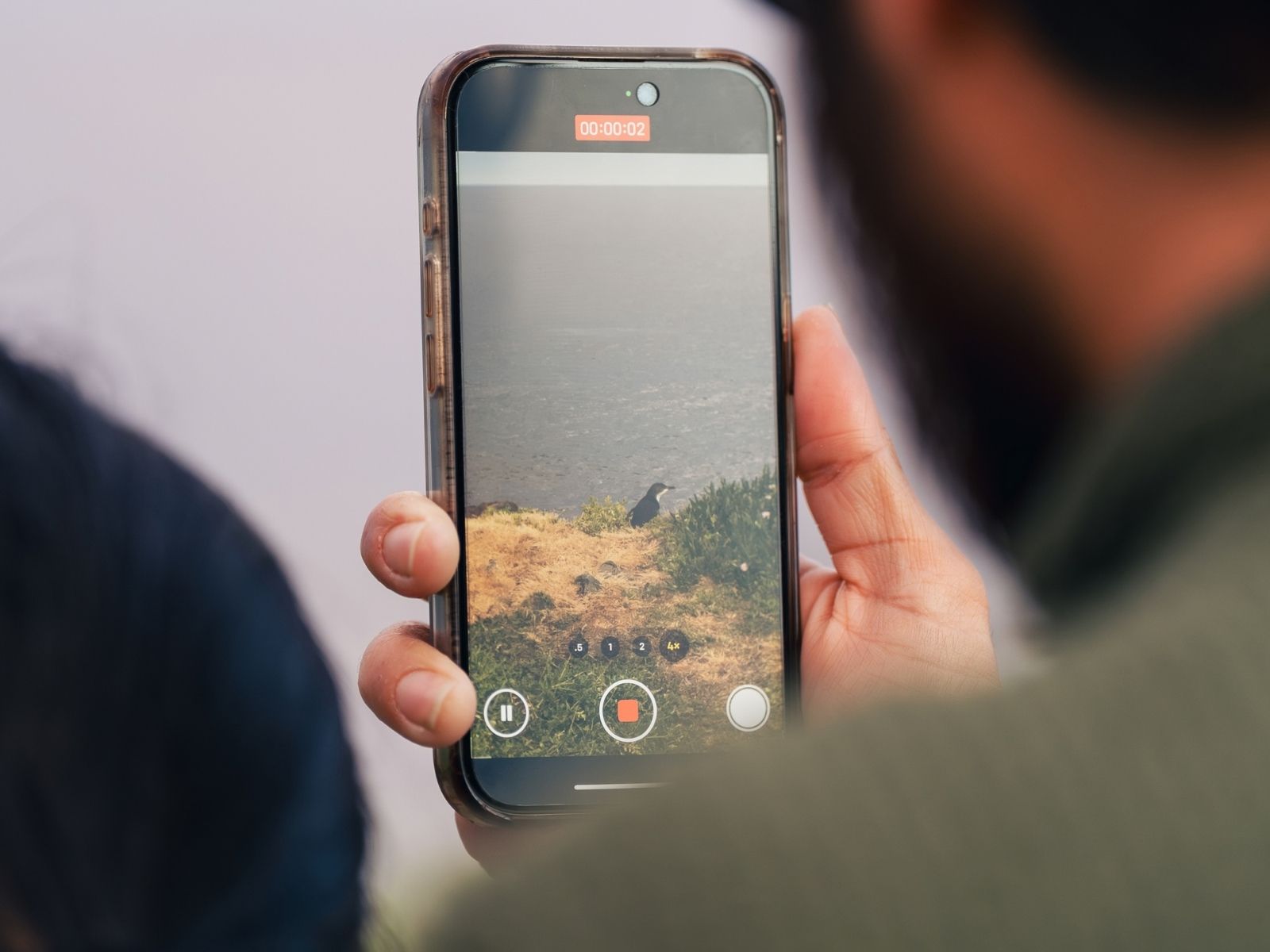
- Respect - Stay quiet and don’t disturb them
- Patience - They arrive on penguin time, not people time
Penguin Watching Etiquette:
- No lights or flashes - They hurt penguin eyes
- No noise - Loud talking or rustling will scare them off
- No touching or feeding - This is their beach
- Stick to paths/viewing platforms - Don’t trample nests or burrows
Top Penguin Viewing Spots in North West Tasmania
Lillico Beach (Lillico Strait Conservation Area) (10mins from Devonport)
Lillico Beach is one of the best penguin watching spots in the region. A timber viewing platform keeps you at a safe distance, and from September to May, volunteers are often there in the evenings to help visitors learn more and spot the little guys.
Did you know? The same penguins return to the same burrows every year - basically Airbnb regulars, but fluffier. And while they may look adorable, wait until you hear them. Little Penguins have a surprisingly loud and raspy squawk - think chainsaw meets crazy cat. Romantic, right? It’s all part of their nightly catch-up after a big day at sea.
From late September to early April, volunteers (the only group officially working alongside Parks and Wildlife) help supervise visitors, share penguin facts, and protect the site.
Burnie Penguin Observation Centre
Right near the sea-side in Burnie, this purpose-built centre is run by dedicated volunteers during the season (October to March). It’s got great interpretive signage and you’ll often get to see penguins just metres away.Local tip: The Burnie penguin population is a conservation success story, community efforts have brought these numbers back from the brink. Any one home - Check out the live feed HERE.
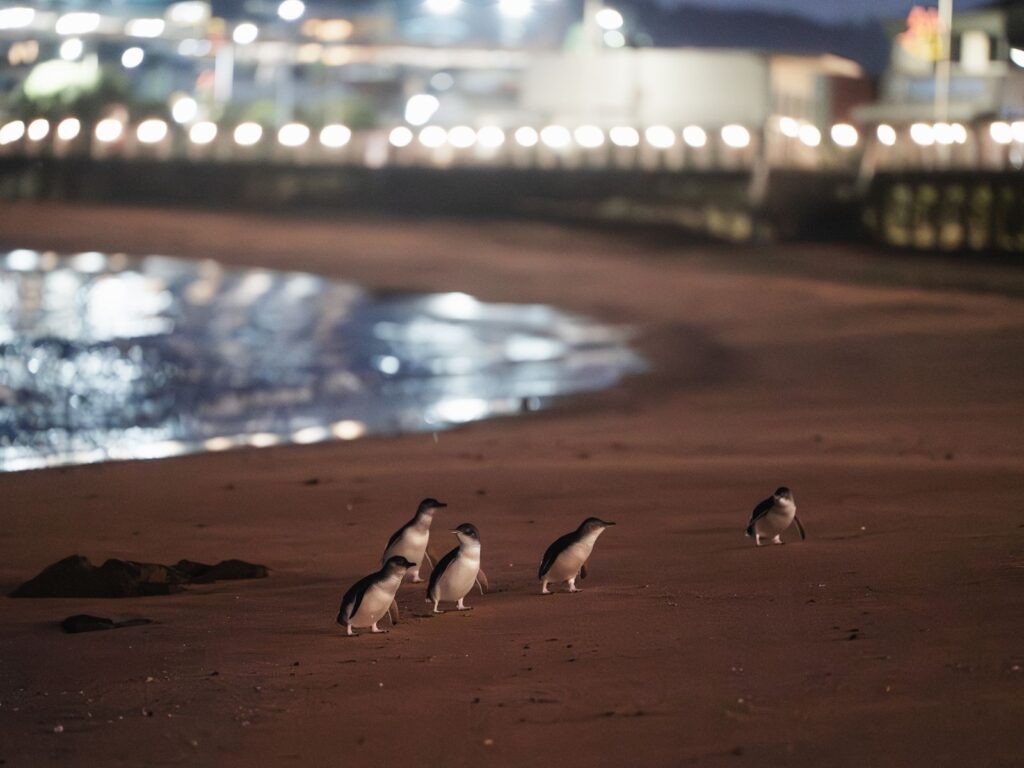
Stanley (Godfreys Beach)
Tucked under the base of The Stanley Nut, Godfreys Beach is home to a quieter penguin colony. There’s a pram and wheelchair-friendly viewing platform, but no guides, so be extra careful with lights and movement.
Penguin trivia, Little Penguins often return to the same partner and burrow each year. They’re basically the high-school sweethearts of the sea.
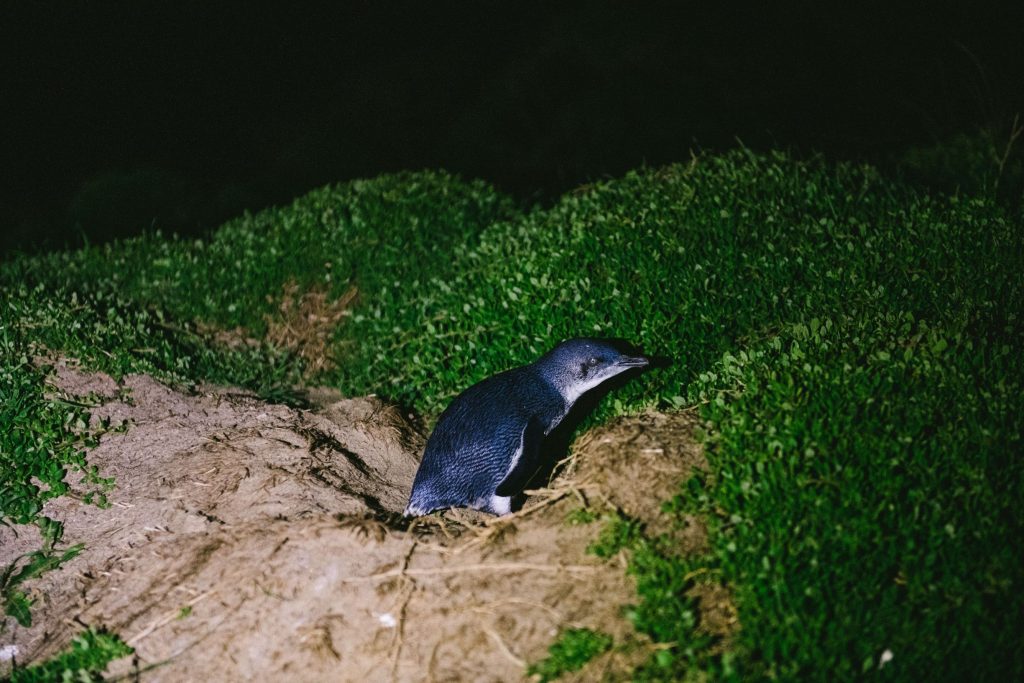
Grassy King Island
At the end of the Grassy breakwater on King Island, you’ll find one of the most remote and magical penguin-viewing spots on the North West (possibly the most North West tip of Tassie) coast.
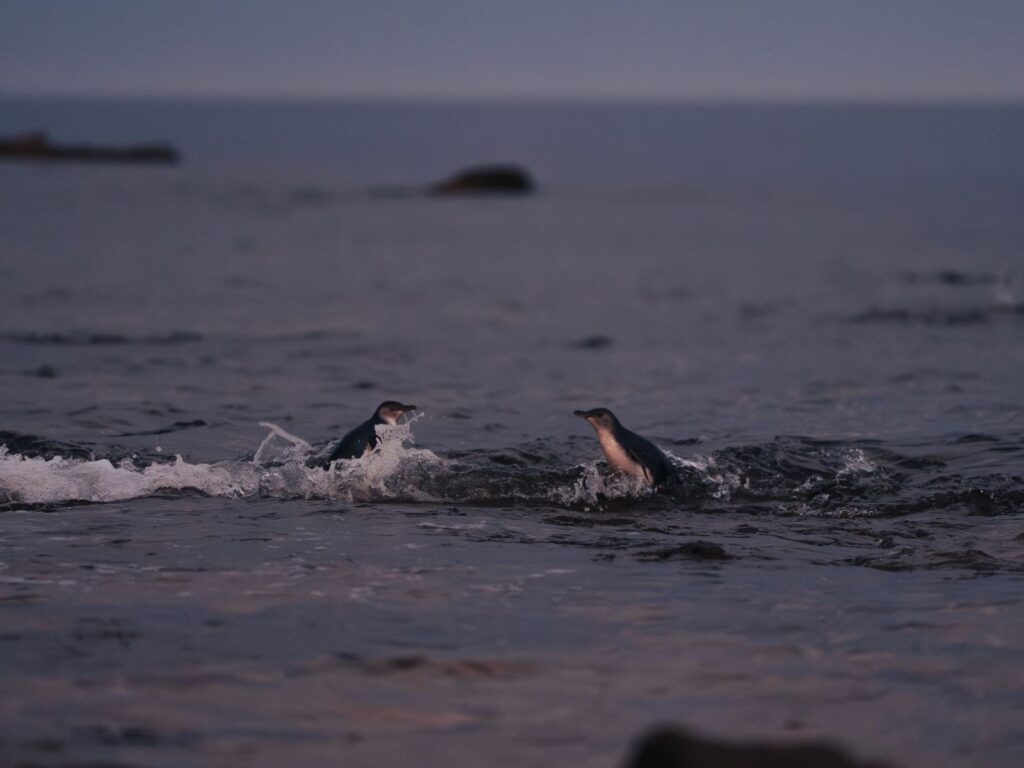
Less than 40cm tall, these Little Penguins might be the smallest species in the world, but watching them leap from the sea and waddle home at dusk is a big-time experience.
Fun facts:
There are between 17 and 20 penguin species worldwide, and you’re seeing the tiniest of them right here. This experience is totally free, totally wild, and totally unforgettable. Just you, the ocean, and a front-row seat to the penguin parade.
The scientific name of the fairy penguin (or little penguin) Eudyptula minor, is most descriptive. Not only is it the smallest of all penguins, but also the Greek word ‘Eudyptula’ means ‘good little diver’. This flightless seabird breeds in colonies along the southern coast of Australia
More travel stories
 Eat + Drink 06.10.26
Early breakfast in Devonport Tasmania
Welcome, you’ve arrived. Take a moment to breathe in that fresh North West air, then get your first taste of Tassie with breakfast in Devonport Tasmania. The Spirit…

Illuminate Winter in Tasmania’s North West
This winter, something special is happening across Tasmania’s North West. From the wild West Coast to the rugged coastline of the North West, we’re flipping the switch on…
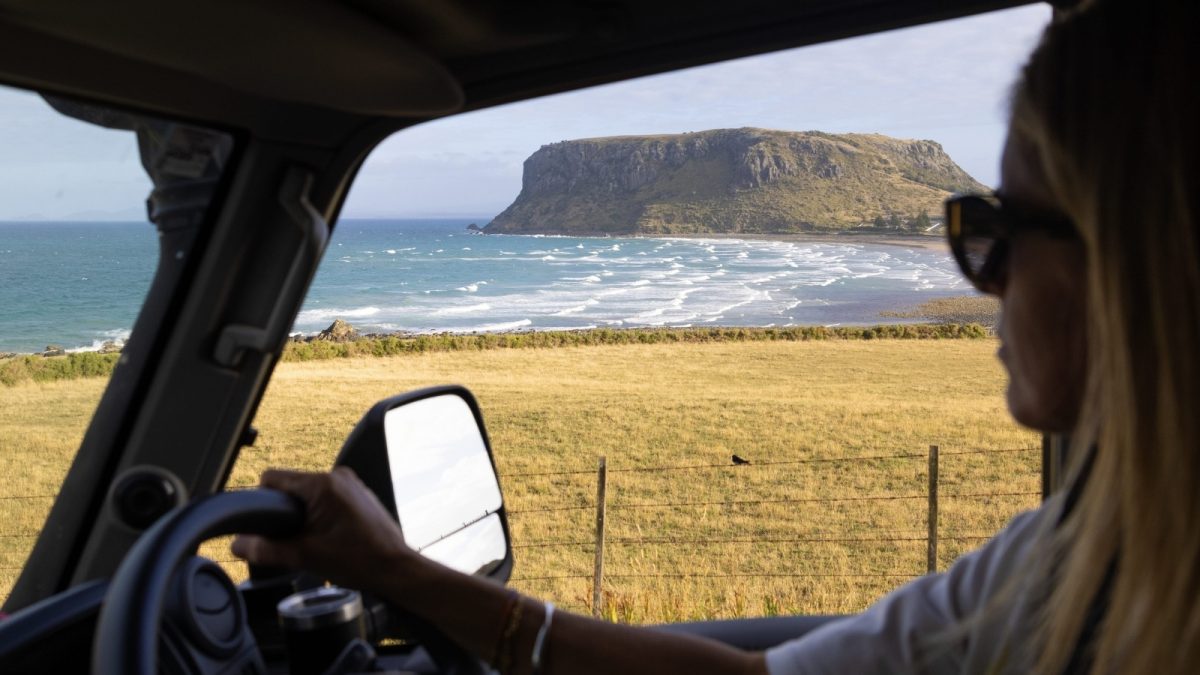 Road Trip 13.11.25
A caravan road trip through North West Tasmania
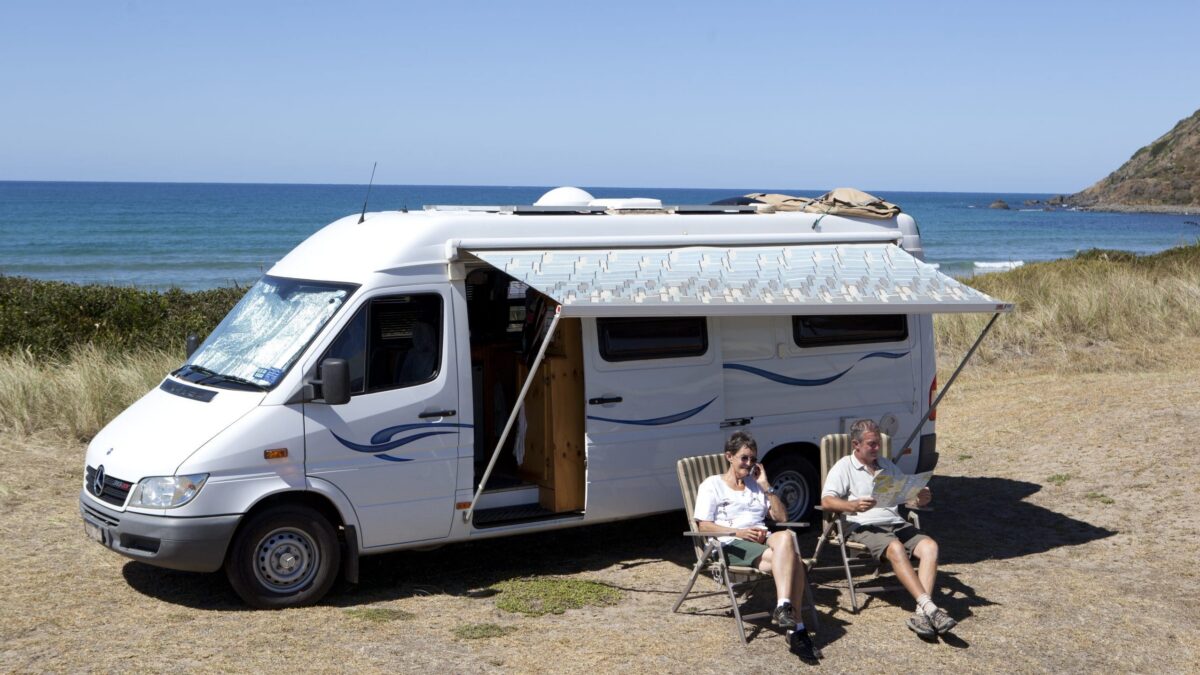
Off the Spirit of Tasmania with a van in tow, from Devonport west to Marrawah, with caravan parks, food stops and fuel tips along the way.
Find your way
One easy coastal drive
The North West unfolds along a single ribbon of coast - west from Devonport's ferry terminal to the edge of the Tarkine, then inland to Cradle Mountain. Tap a town on the map to start exploring.
Rest easy
Find your base in the North West
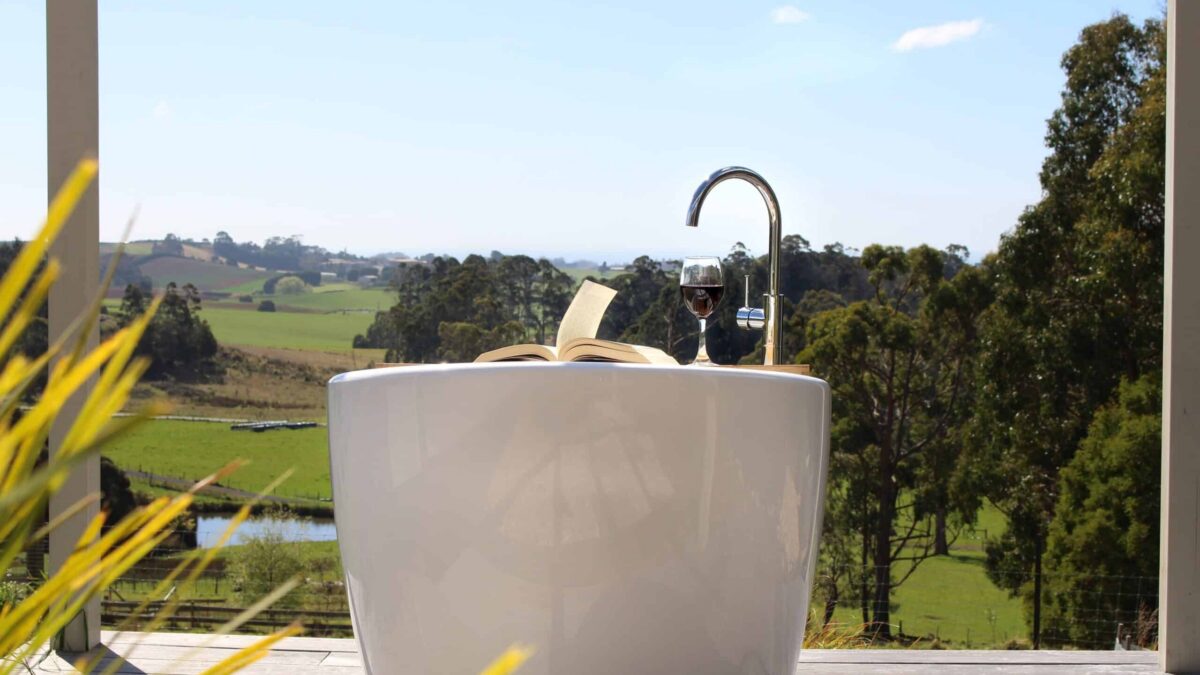
From off-grid lodges with outdoor baths to cottages and farmstays - settle in somewhere with a view, then let the season come to you.


Tasting Trail Tasmania
Follow your tastebuds across the region
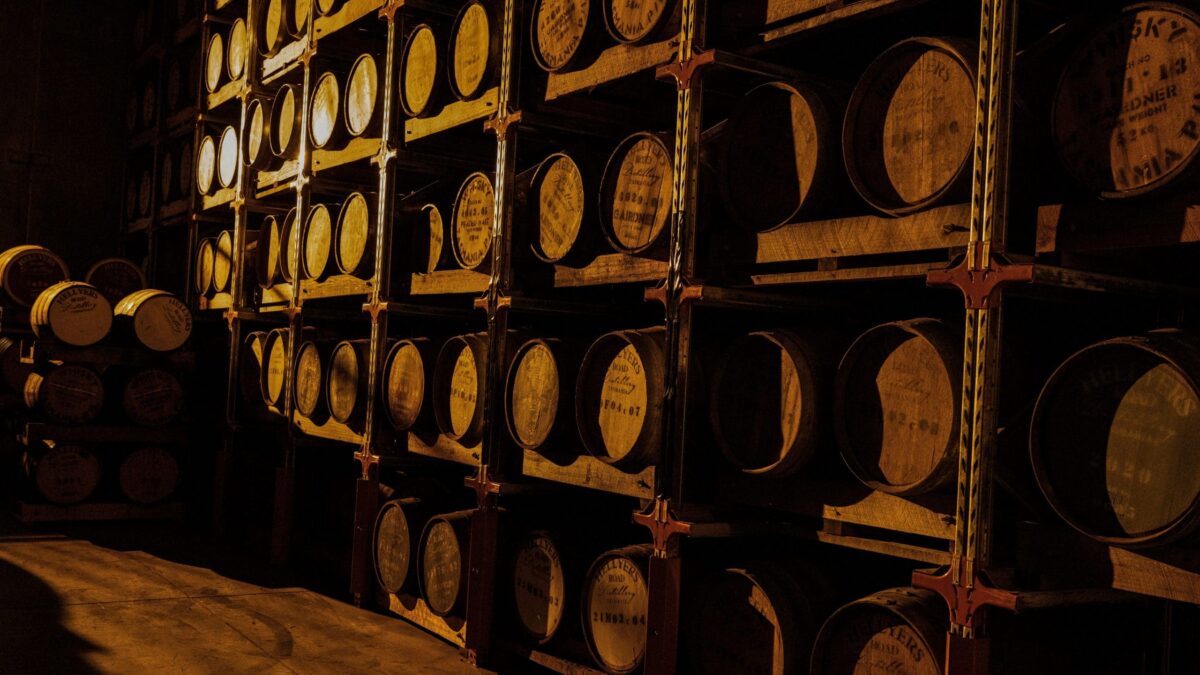
Cheese, cider, whisky, berries and chocolate - straight from the makers. Plot your own self-drive food trail through the North West.
Explore the Tasting Trail